Ever notice how bananas go from green to yellow to brown so quickly? It’s not magic, it’s science. Bananas are “climacteric fruits,” meaning they keep ripening after being picked. As they release ethylene gas, starch turns into sugar, making the fruit sweeter while the peel changes colour. But what’s even more interesting is that each stage of ripeness comes with its own nutritional benefits.
- Green Bananas: Great for Gut Health
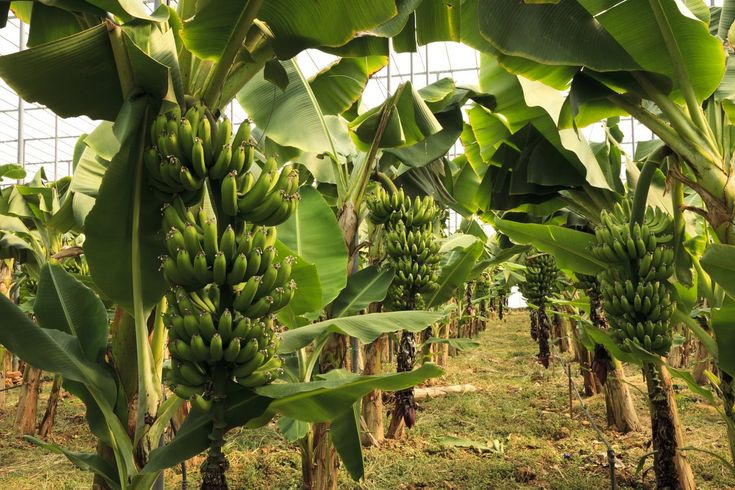
Green bananas are firm, slightly tangy, and high in resistant starch, a type of carbohydrate that acts like fibre. This resistant starch feeds the good bacteria in your gut, supporting digestion and improving overall gut health.
They also have a lower sugar content and a slower energy release, making them perfect for those looking to manage blood sugar levels or stay fuller for longer. Athletes and anyone watching their energy intake can benefit from adding green bananas to smoothies, porridges, or savoury dishes.
- Yellow Bananas: Sweet and Energising
As bananas ripen and turn yellow, their starches break down into natural sugars, mainly glucose, fructose, and sucrose. This makes them sweeter, softer, and easier to digest.
Yellow bananas are packed with vitamin C, potassium, and antioxidants, which help support immune function, muscle recovery, and heart health. Their quick energy release makes them a great pre- or post-workout snack, and their mild sweetness works well in cereals, yogurt bowls, or simply eaten on their own.
- Brown Bananas: Antioxidant Powerhouse
When bananas develop brown spots, or turn completely brown, they reach their sweetest point. At this stage, their antioxidant levels peak, helping fight free radicals in the body and supporting cell health.
Brown bananas are also the easiest to digest since most of the starch has converted to simple sugars. They’re ideal for baking, blending into smoothies, or mashing into pancakes or oatmeal. If you have a bunch of very ripe bananas, freeze them for later use, they’ll keep their sweetness and creamy texture for weeks.
How to Slow the Ripening
Bananas naturally release ethylene gas, which speeds up ripening, not just for themselves but for other fruits around them. To slow the process:
- Store bananas separately from other fruit.
- Keep them in a cool, well-ventilated spot.
- Once they’re fully yellow, move them to the fridge. The peel may darken, but the fruit inside stays fresh.
To ripen bananas faster, do the opposite, keep them in a paper bag with an apple or pear to trap the ethylene gas.
Bananas don’t really “go bad” they just evolve. Green bananas support gut health and steady energy, yellow ones provide quick fuel and essential nutrients, and brown bananas deliver antioxidants and natural sweetness.
So next time your bananas start to spot, don’t toss them out, enjoy them at every stage. Whether you slice them over breakfast, blend them into a smoothie, or bake them into banana bread, they’re one of the most versatile and nutrient-rich fruits around.